







Search Results for: Coffee Grounds-to-Liquid Ratio
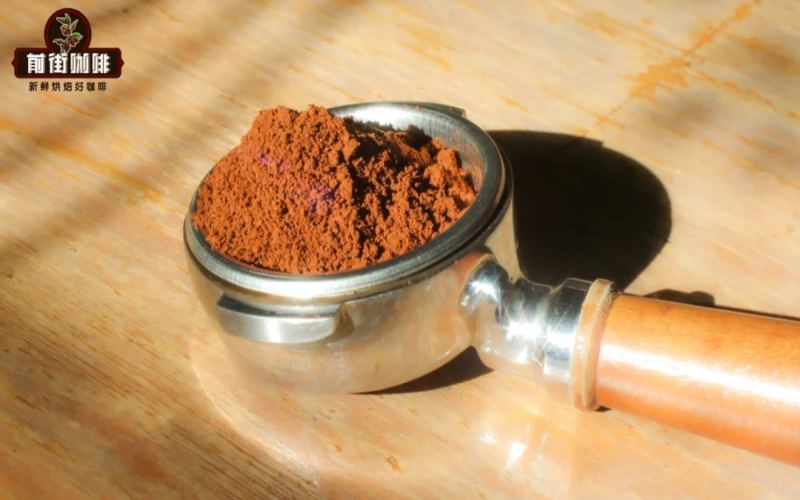
Espresso Flavor Variations | How Does the Coffee Grounds-to-Liquid Ratio in Espresso Affect the Extraction Process? Which Extraction Parameters Will Change the Taste of Espresso?
We usually see baristas making espresso with very neat and simple movements, and it seems they can make a rich coffee base in just two minutes. In reality, however, an ideal espresso requires controlling the ratios and balance among various parameters in order to pursue the best taste and flavor, and mastering these ratios requires [more…]
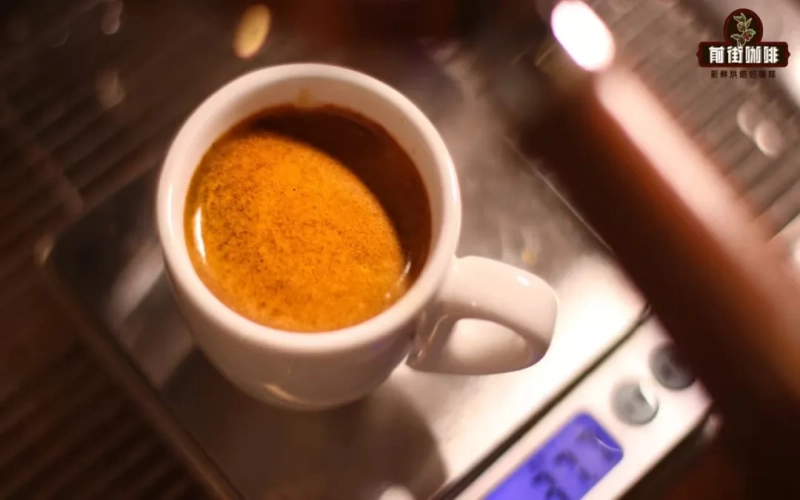
One shot or two? Decoding what a "shot" really means, starting from dose standards
When ordering at a coffee shop, have you ever been confused: if you extract 36ml of espresso from 18g of coffee grounds, should that count as 1 shot or 2 shots? This seemingly simple question actually involves the evolution of measurement standards in the coffee industry. In the early days, 1 shot referred to 30~36ml of coffee liquid extracted from 7~9g of grounds, while today the mainstream approach has changed to extracting 36ml of liquid from 18g of grounds. Is the measurement object the dose of grounds or the volume of liquid? Today, Front Street Coffee will start with the origin of the word "shot" to help you thoroughly sort out the logic for determining single versus double espresso, so you will no longer be confused when ordering or making coffee. [more…]
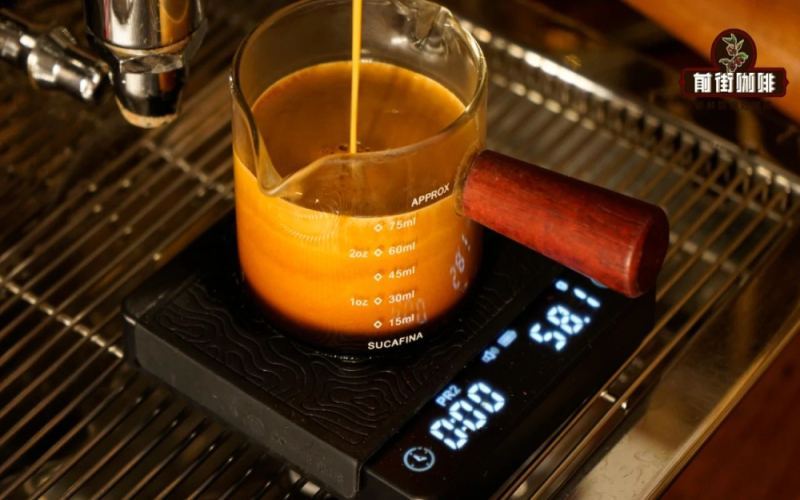
What exactly is Lungo coffee? A full analysis of its extraction logic and flavor differences compared to Espresso
Lungo coffee, like Espresso and Ristretto, is a basic coffee produced directly by an espresso machine, but its positioning and flavor often leave people confused. This article examines the core differences between Lungo, Espresso, and Ristretto from the perspectives of extraction ratio, concentration, and extraction yield, and traces back to the history of coffee becoming accessible to the masses in 1950s Italy to explain why Lungo came into being. Front Street Coffee also presents the true taste performance of Lungo through actual extraction tests, and explores what this extraction approach can inspire in today's coffee brewing. [more…]
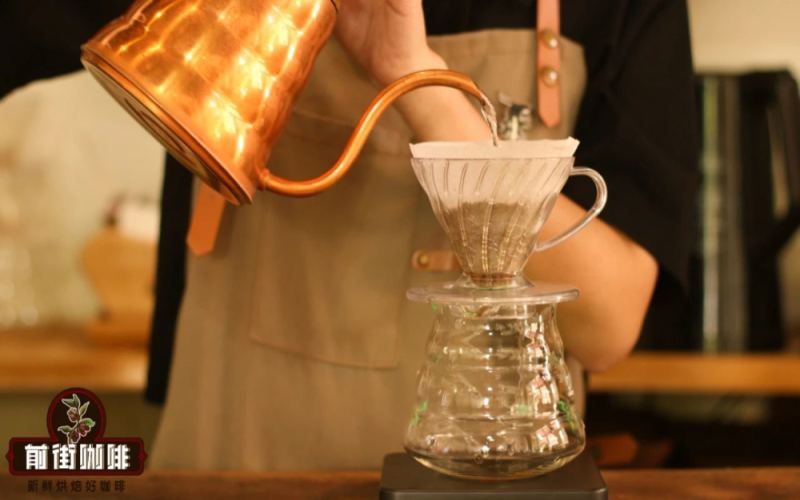
The Complete Guide to Espresso Grind and Extraction Time: From 20 to 30 Seconds, How Coarseness Shapes Espresso Flavor
In espresso preparation, grind size and extraction time are like an inseparable pair, together determining the final flavor direction of the espresso. Starting from the principles of extraction, this article reviews the historical evolution of espresso extraction recipes and current mainstream practices, with a focus on analyzing the applicability differences of the classic 25-to-30-second time window for coffee beans of different roast levels. At the same time, the article also explores how to use extraction time to judge whether the grind size is appropriate and whether extraction is stable, and specifically explains why the time needs to be extended accordingly for medium-light roasted beans and under pre-infusion systems. Drawing on daily production experience, Front Street Coffee provides enthusiasts with a set of grind adjustment ideas that can be quickly put into practice. [more…]
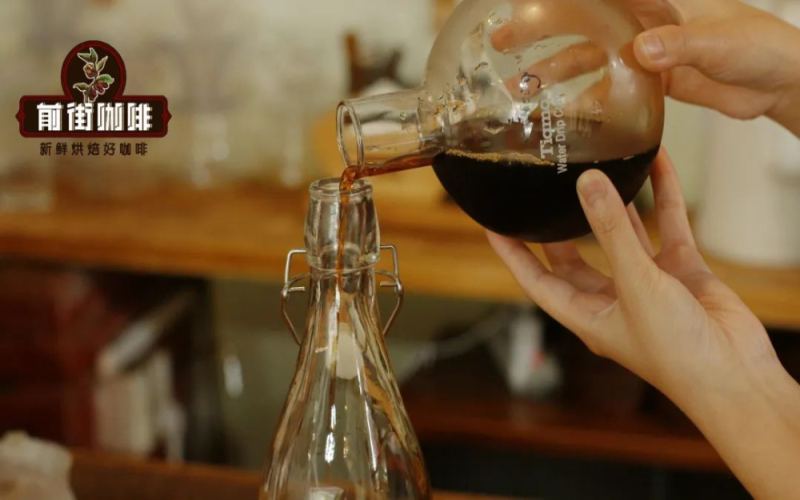
Illustrated Guide to Making Cold Brew Coffee | What Powder-to-Water Ratio Is Suitable for Cold Brew Coffee? How Long Does Cold Brew Coffee Extraction Take? Can You Drink It Immediately After Making It?
For more specialty coffee knowledge, please follow our WeChat official account: Front Street Coffee (FrontStreet Coffee). For coffee partners, whether it's pour-over coffee, espresso, or cold brew coffee, the coffee fun they bring is different, but all are interesting. Entering the scorching [more…]
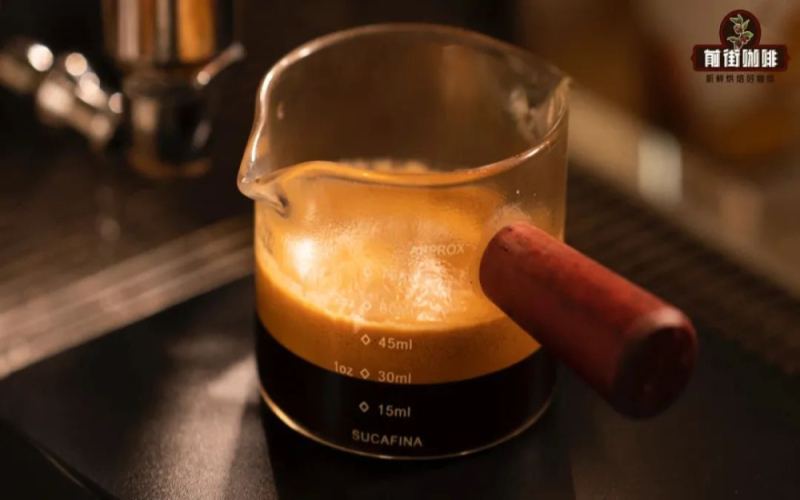
The Critical Role of Espresso Extraction Time: An In-Depth Analysis of Grind Settings and Time Parameters
In the world of coffee extraction, time is a seemingly simple yet extremely critical variable. Different brewing methods have different time requirements, and because espresso has extremely high extraction efficiency, its sensitivity to time far exceeds other methods—even a difference of just 3 seconds can make the flavor in the cup completely different. This article will discuss espresso extraction time, tracing the evolution from the traditional 20–30 second approach to the modern recommended 25–30 second approach, analyzing how time assists in dialing in the grind, judging flavor trends, and verifying extraction stability, and explaining why light-to-medium roasts or large dose scenarios require appropriately extended extraction times. [more…]
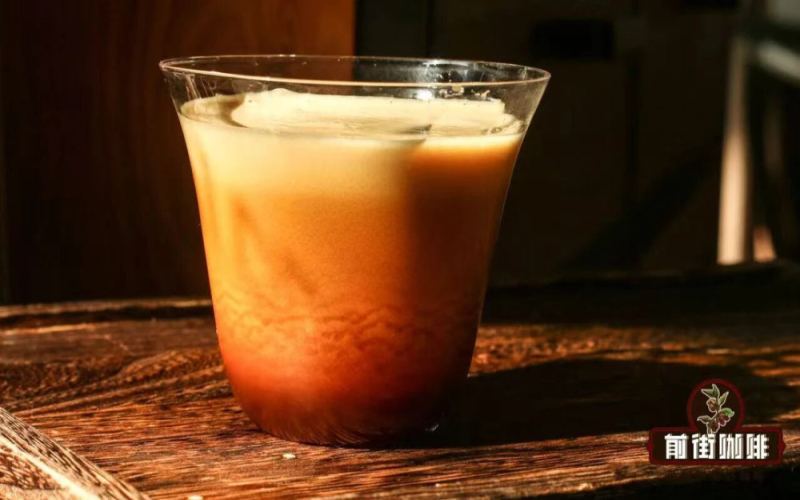
Is Americano with Milk Good? Analysis of Espresso-to-Water Ratios and Coffee Bean Proportions for Americano
Americano coffee has always been made by combining espresso with water, offering a pure flavor with pronounced bitterness. Many coffee enthusiasts are used to adding sugar or simply switching to lattes to avoid the bitterness, but the seemingly unconventional practice of "adding milk to Americano" can actually deliver an unexpectedly smooth mouthfeel. This article explores the differences between Americano with and without milk, explaining how milk balances bitterness and enhances body. Using a medium-dark roast espresso blend as an example, it provides recommendations for the coffee-to-water ratio, dose and yield parameters, and the amount of milk to add when making an Americano. It also retains product information such as Front Street Classic Blend, Commercial Blend, Specialty Blend, and Dark Cocoa Base Blend, helping readers find the concentration and flavor profile that suits them best. [more…]
espresso category | What is espresso? What do Ristretto, Normale, and Lungo refer to in espresso?
When espresso is mentioned, everyone's first reaction might be a strong, bitter, heavy-flavored black coffee, and it is also the most stimulating drink in terms of taste. For baristas, adjusting espresso extraction can be said to be the most critical step every day, because all kinds of popular Italian-style coffees are inseparable from a small serving of espresso. [more…]
Characteristics of Italian Espresso | How Many Types of Espresso Are There? How Can Coffee Beginners Learn to Extract Espresso?
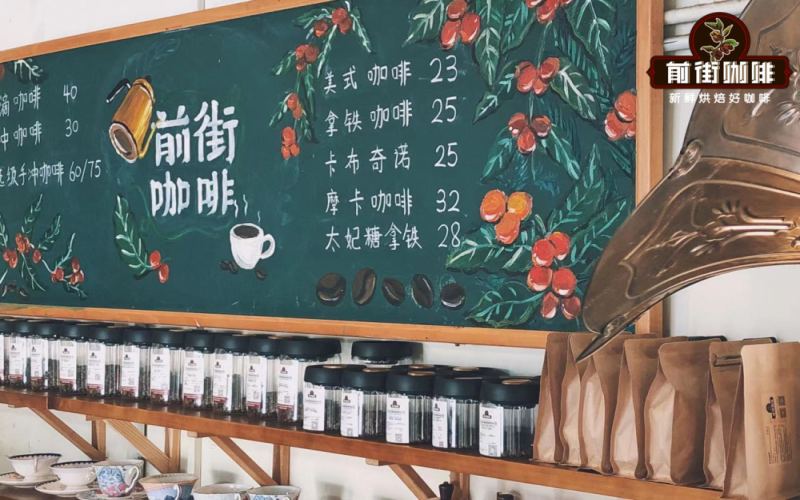
For more specialty coffee knowledge, please follow: Front Street Coffee (Frontsteet Coffee) Italian espresso, also called Espresso, uses steam pressure to force scalding hot water through ground coffee, brewing a small, strong, and aromatic cup of pure black coffee topped with golden crema. [more…]
How Should the Espresso-to-Milk Ratio for a Latte Be Determined? Adjustment Approaches for Different Roast Levels and Hot vs. Cold Drinks
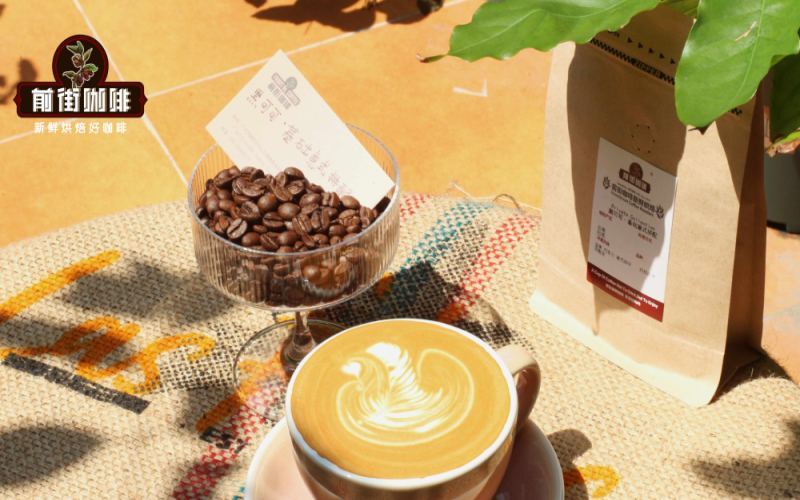
When making a latte at home, the question I get asked most often is what ratio of coffee to milk to use. Actually, there's no single standard answer to this question, because the beans' origin, processing method, roast level, and the flavor you ultimately want to present will all influence the choice of ratio. This article starts with espresso extraction, first explaining the extraction parameters suitable for medium-dark and medium roasts respectively, then, according to three types—dark-roast espresso beans, medium-dark roast blends, and floral-fruity medium-roast beans—gives specific ratio ranges for hot lattes and iced lattes, and combines Front Street Coffee's production examples to help you find the cup of latte that suits your taste. [more…]
Espresso vs. Specialty Coffee: A Complete Guide to Hot and Iced Latte Preparation and Common Flavor Issues
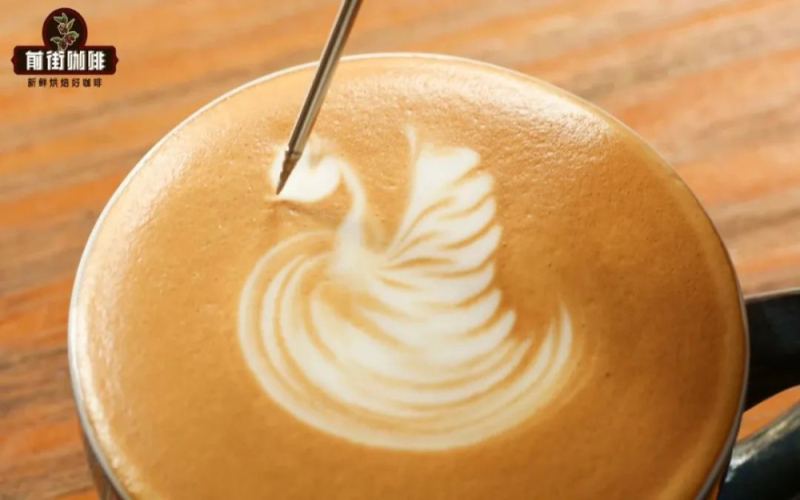
Does a latte actually count as a flavored coffee? And what exactly is the difference between espresso and flavored coffee? Drawing on Front Street Coffee's production experience, this article systematically lays out the recipe logic and production details of latte coffee, including espresso extraction parameters, milk ratios, and the operational differences between hot and iced lattes. It also analyzes the causes of common problems one by one—such as latte being too bitter, too weak, or both bitter and weak—and offers corresponding adjustment solutions. Whether you are a beginner just getting into espresso or an enthusiast looking to refine the consistency of your output, you will find practical reference here. [more…]
Espresso Brew Ratio | How Much Coffee Grounds for One Espresso Shot? How to Find the Right Grind Size for Espresso Beans?
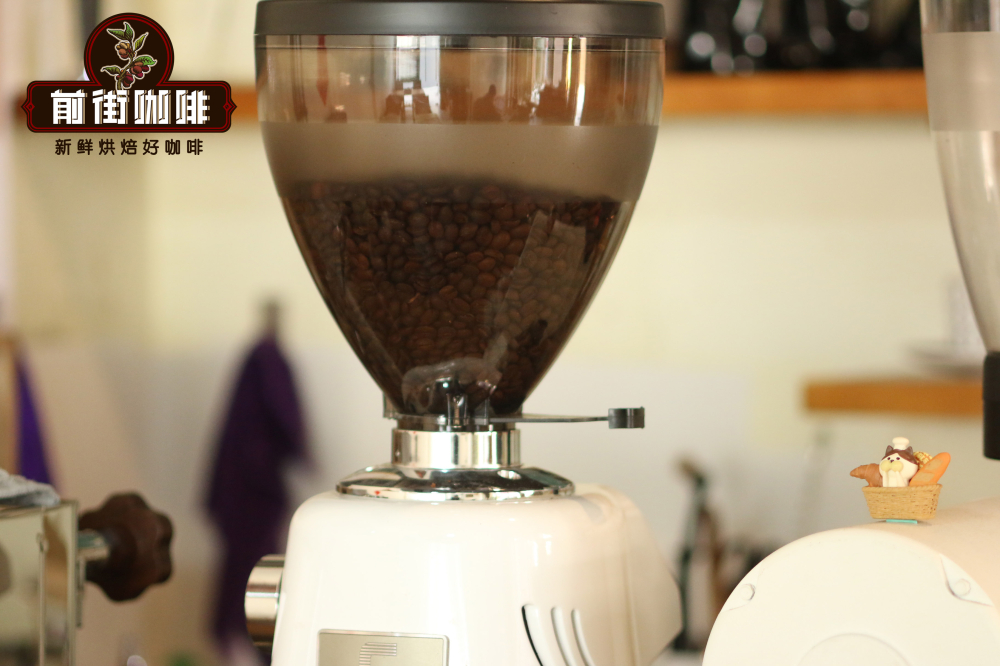
How much coffee powder does an espresso need - How to drink espresso powder: How much coffee liquid is extracted from 20g of powder? When brewing coffee, we all know that the coarseness of the grind is very important. If you're not careful and the grind isn't right or is uneven, the coffee can easily be under-extracted or over-extracted. Compared with pour-over, cold brew, and other methods, espresso [more…]
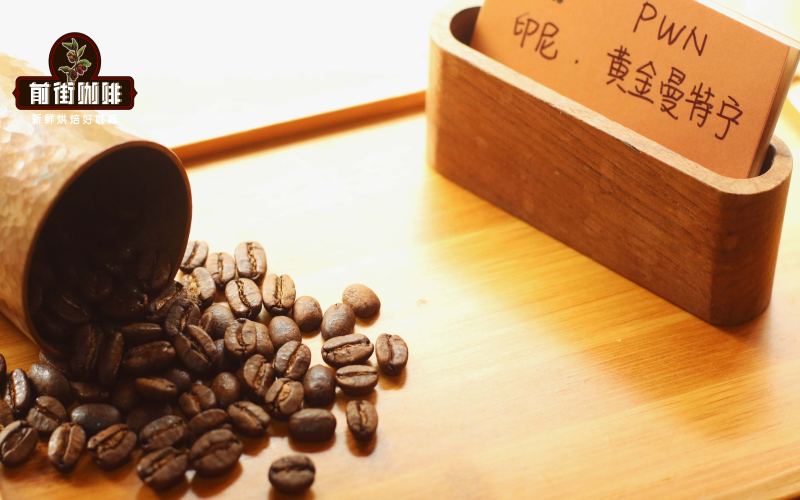
A Complete Guide to Indonesian Mandheling Wet-Hulled Process: Processing Steps, Flavor Formation, and Pour-Over Brewing Guide
Mandheling is the darkest-roasted single origin on Front Street Coffee's bean list, known for its rich body, low acidity, and distinctive earthy aroma. Why does Mandheling alone possess such flavors? The answer lies in the wet-hulling method of Sumatra, Indonesia. The local climate is humid and rainy, with year-round humidity of 70–90% and annual rainfall exceeding 2000mm, making it difficult to dry beans outdoors for extended periods as is done in Brazil. To shorten the processing cycle and sell the beans for cash as quickly as possible, locals developed this semi-washed processing method. This article will break down the steps of the wet-hulling method in detail, analyze how it gives Mandheling its regional flavors of wood, spice, and herbs, and share Front Street Coffee's recommended Mandheling bean selection tips and pour-over extraction parameters. [more…]
How the wet-hulling process shapes Mandheling's grade and flavor: a full analysis from G1 lots to brewing details
Mandheling is the darkest roasted single-origin coffee on Front Street Coffee's bean list. Its rich, low-acid, and long-lasting mellow aroma captivates many coffee lovers. But why is it that, despite being a medium-dark roast like many others, only Mandheling carries a unique herbal and aged-wood character? The answer lies in the unique wet-hulling process of Sumatra, Indonesia. This article will provide an in-depth analysis of the relationship between wet-hulling and semi-washed drying, explain the origin of the G1 grade, and share Front Street Coffee's Mandheling brewing parameters and flavor profile, guiding you to a comprehensive understanding of this classic coffee created by a rare processing method found nowhere else in the world. [more…]
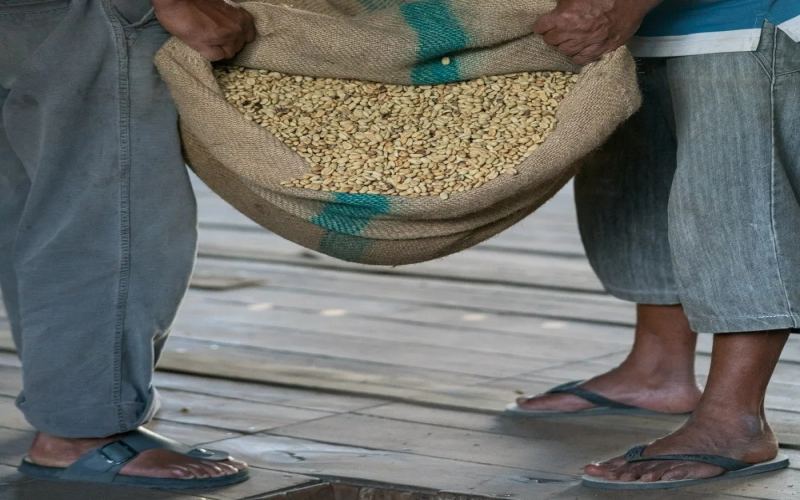
The Origin Story of Golden Mandheling Coffee | What Coffee Bean Variety Is Mandheling Ateng? Is PWN Golden Mandheling Suitable for Pour-Over Black Coffee?
The variety of Golden Mandheling coffee currently produced by PWN is Ateng, which is the local name used by Indonesian farmers; it is actually Catimor. Originally, the coffee variety grown locally in Indonesia was Typica, recognized for its excellent flavor, introduced to Java by the Dutch in the late 17th century, and [more…]

A Detailed Guide to Making Americano: Coffee-to-Water Ratio, Extraction Parameters, and Flavor Adjustment Tips
Americano is one of the most common drinks in coffee shops. It seems like it just needs espresso plus water, but in reality it greatly tests a barista's extraction skills. This article starts with the two major categories of Americano, focusing on the coffee shop version's preparation method, including the recommended extraction parameters for Front Street Coffee's classic blend (20 grams of grounds extracting 40 grams of liquid, 27 to 28 seconds), a grounds-to-liquid ratio controlled at 1:2, and key data such as a time of 25 to 30 seconds. At the same time, it analyzes the two common reasons why Americano tastes sour—the beans are roasted too light or the extraction is insufficient—and gives solutions such as switching to medium-dark roasted beans or making the grind finer. Finally, it also explains the formation principle of the layer of coffee oil on the surface of hot Americano, helping enthusiasts fully grasp the key points for making a delicious cup of Americano. [more…]
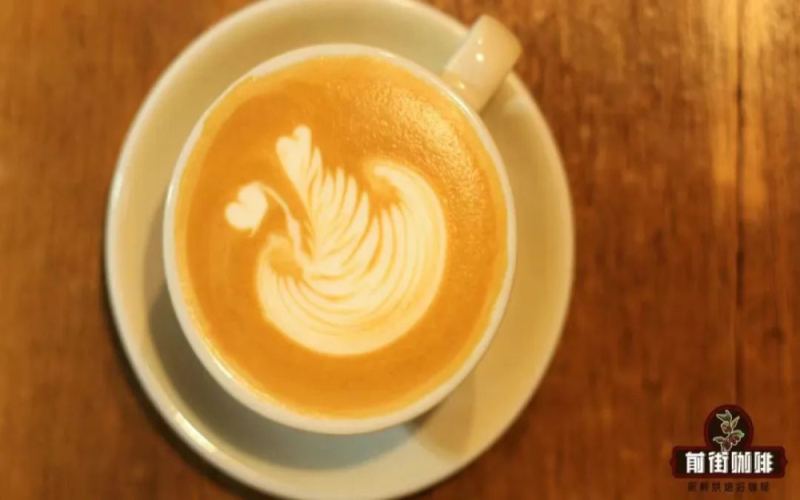
Can Americano also be made with latte art patterns? A detailed explanation of the principles and steps of milk-free latte art
Americano has always presented itself as a black coffee, with a recipe consisting only of espresso and water—seemingly having no connection to latte art. But in fact, as long as you grasp the core principles and make minor adjustments, Americano can also display clear latte art patterns. This article will start from the basic principles of latte art, explain why a milk-free Americano can also be frothed, and break down the operational process in detail—including the ratio of water to ice cubes, the espresso extraction method, the key points of steaming and frothing, and the details to note when pouring the design. Front Street Coffee will also demonstrate through actual operation, guiding you step by step to complete a cup of Americano latte art with dense foam, so that enthusiasts who do not like milk coffee can also enjoy the fun of latte art. [more…]
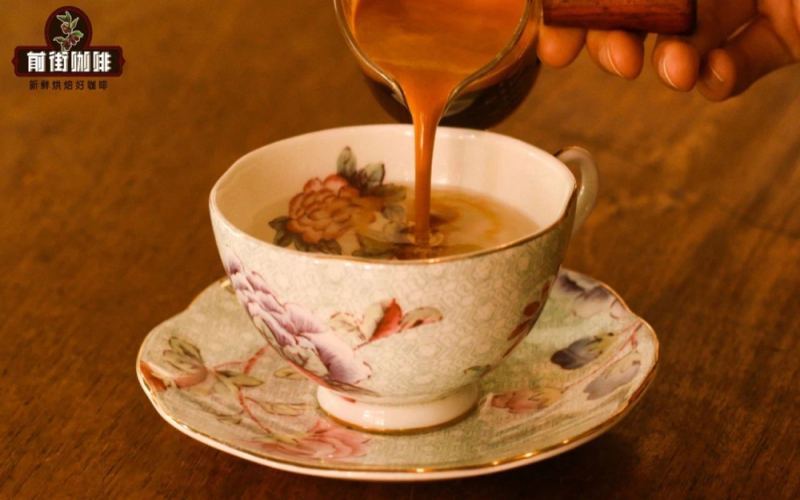
The Relationship Between Americano and Espresso Black Coffee: A Comprehensive Guide from Bean Selection to Blending and SOE
What exactly is Americano? How is it related to espresso black coffee? This article starts with the evolution of the definition of Americano, sorts out its brewing methods and the factors affecting flavor, and focuses on answering the core question of coffee bean selection—blend or single origin. The article introduces several coffee beans suitable for making Americano, including Front Street Classic Blend, Dark Cocoa Blend, as well as Yirgacheffe Red Cherry SOE and Natural Huakui SOE, and provides practical suggestions on roast level, freshness, and more, helping coffee lovers make a cup of Americano with rich aroma and balanced taste. [more…]
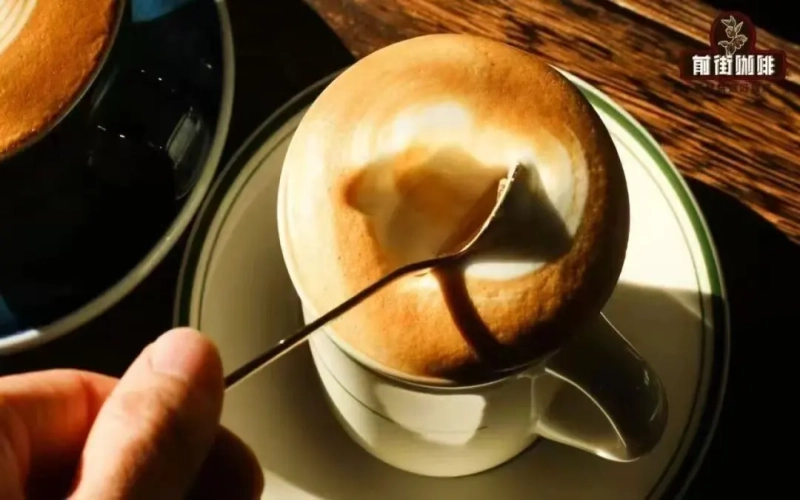
Easily Make Cappuccino at Home: A Complete Guide to Espresso Extraction and Thick Milk Foam, Master Hot and Iced Drink Steps at Once
As a classic representative of Italian milk coffee, cappuccino is deeply loved for its rich, mellow, dense, and smooth taste. Although it has similar ingredients to a latte, the differences in ratio and milk foam thickness bring a completely different taste experience. In this article, Front Street will share in detail how to make a delicious cappuccino at home, covering how to obtain espresso (coffee machine or moka pot alternatives), various ways to froth thick milk foam (electric frother, French press), and the specific assembly steps for hot cappuccino and iced cappuccino. It also recommends two coffee beans, Front Street Classic Blend and Grana Geisha SOE, to help you perfectly recreate the traditional Italian flavor at home. [more…]

A Complete Guide to Coffee Combos: Bean Selection, Espresso Extraction, and Milk-to-Water Ratios
In recent years, coffee combos have become increasingly common in cafés. They split a single espresso into smaller portions, each prepared as an Americano and a latte, allowing customers to experience multiple expressions of the same bean in one sitting. This style of service places extremely high demands on baristas, as everything from bean selection and extraction to ratios requires careful consideration. Front Street's back office frequently receives questions about combo beans, espresso extraction parameters, and coffee-to-milk/water ratios. This article will systematically sort out the key points for making a delicious combo, including suitable bean types, espresso extraction strategies, and the amounts of water and milk to add, along with Front Street's actual operation demonstration to help coffee enthusiasts replicate a professional-standard "one bean, two drinks" at home or in-store. [more…]